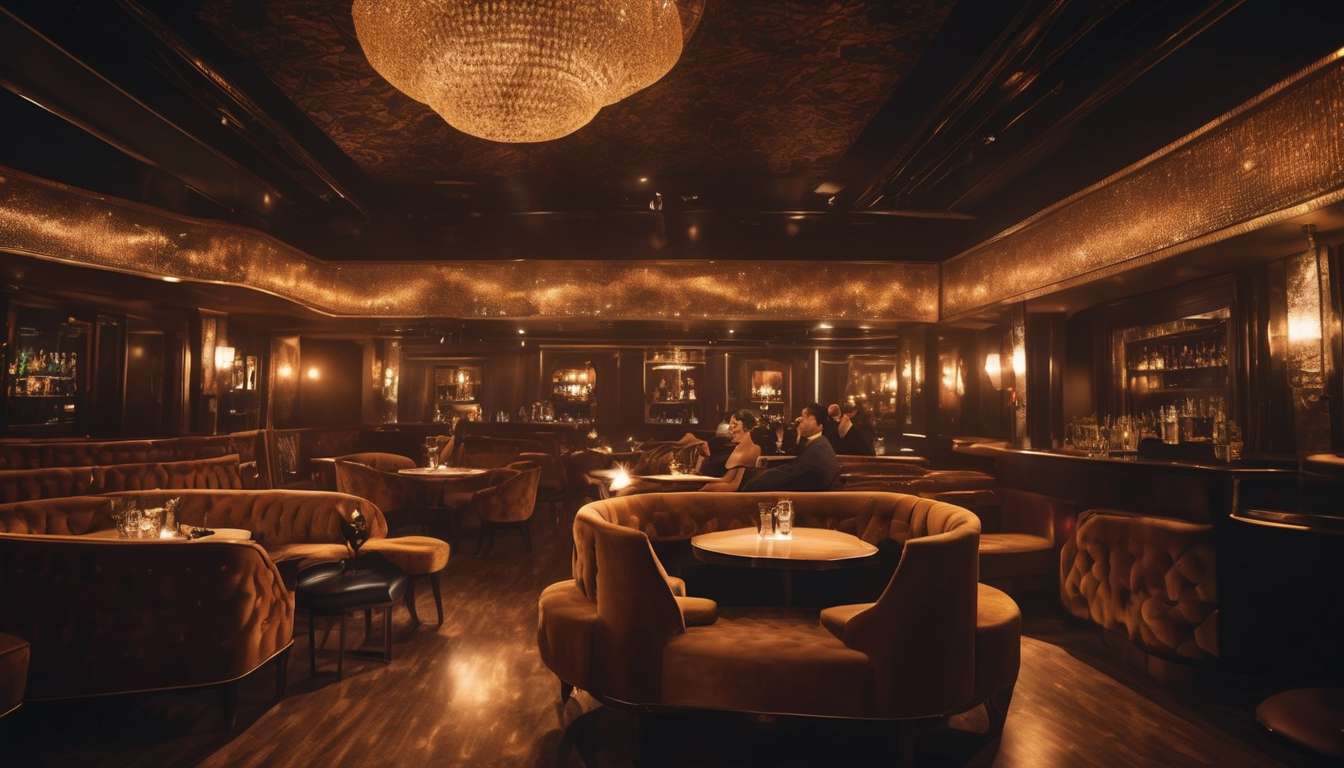
Few businesses reinvent themselves as boldly as we have when traditional table dances meet curated event partnerships.
We believed revenue came solely from late-night patrons and cover charges, until we embraced collaborations with brands, local festivals, and private event planners.
By reimagining our spaces as versatile venues, hosting product launches, fashion shows, and themed corporate nights, we unlocked diversified income streams and steadier cash flow.
These partnerships demand thoughtful branding, performer consent, and logistical finesse.
- Performer consent and safety: establish clear contracts, choice over performance content, and on-site security/medical plans.
- Branding and production: co-create event briefs so partner brands align with venue tone without exploiting performers.
- Logistics and operations: manage scheduling, staffing, load-in/out, staging, and sound/light requirements.
They also create safer, more professionalized environments and broaden our audience beyond weekend regulars.
As we navigate licensing, insurance, and marketing shifts, we discover that aligning with reputable partners elevates both profitability and public perception.
- Licensing & compliance: verify permits for public events, age restrictions, and zoning laws.
- Insurance: secure event and liability coverage tailored to mixed-use venue activities.
- Marketing: segment campaigns to reach corporate clients, festival organizers, and new patron demographics while protecting performer privacy where needed.
This transition challenges outdated assumptions about where exotic dancing belongs in the events ecosystem.
When we control the narrative and craft inclusive, well-produced collaborations, we transform stigma into sustainable business growth and creative opportunity.
Rethinking Venue Purpose
Define the venue’s purpose as a multi-use community hub, not just a stage.
We design events to serve performers, patrons, and community goals simultaneously. By expanding programming beyond single-genre shows, the venue becomes a place where audiences find repeated reasons to return.
Use themed nights, workshops, and community mixers to build consistent engagement.
- Create recurring themed nights to attract specific audience segments.
- Offer workshops (e.g., open-mic coaching, production skills) that develop local talent.
- Host community mixers that connect artists, patrons, and local organizations.
Pursue partnerships and sponsorships that align with the venue’s values.
- Seek partners who enhance resources without compromising identity.
- Use sponsorships to improve pay, marketing, and amenities.
- Leverage partnerships to deepen community ties and co-create events.
Prioritize performer safety and transparent operational protocols.
- Implement clear check-in and credential systems.
- Train security and staff on de-escalation and equity-focused safety practices.
- Maintain transparent incident reporting and follow-up processes so performers trust the space.
Center belonging to drive financial sustainability and retention.
We make intentional choices that foster trust and inclusion; when performers feel protected and audiences feel welcomed, loyalty and revenue follow.
Measure success with concrete metrics and iterate.
- Track retention rates for audiences and performers.
- Collect and analyze feedback (surveys, focus groups).
- Monitor safety outcomes and incident resolution effectiveness.
- Regularly review data and adjust programming, partnerships, and protocols until the venue serves everyone who makes it possible.
Partner Types to Target
Goal: diversify venue partnerships while preserving identity and community role.
We’ll prioritize a mix of local arts organizations, hospitality businesses, community nonprofits, and aligned brands that can contribute resources, audiences, and mutual credibility.
We seek partners who:
- see our space as a community hub and help us pursue venue diversification without erasing our identity.
- bring curated programming and new patrons (arts groups).
- create bundle opportunities with hotels and restaurants.
- offer mission-driven events that deepen neighborhood ties (nonprofits).
Partnership expectations and standards.
We’ll target brands open to transparent partnership sponsorships that respect our performers and audience.
- Clear contracts.
- Shared marketing.
- Fair revenue splits.
- Logistics support.
Safety and trust requirements.
We’ll favor collaborators who acknowledge and integrate performer safety protocols into event plans, ensuring comfort and trust for everyone involved.
Desired outcome: sustainable, respectful alliances.
By choosing partners who value mutual benefit, respect, and responsibility, we grow sustainable income streams while strengthening belonging.
Together, we’ll build a roster of reliable allies whose work complements ours and expands possibilities for programming, promotion, and community connection.
Safeguarding Performers
We’ll prioritize concrete, enforceable measures that protect performers’ physical, emotional, and financial well‑being at every partnered event.
We’ll establish clear performer safety protocols in contracts tied to partnership sponsorships.
- Define required security staffing levels.
- Provide private changing areas.
- Include emergency medical plans.
- Enforce a zero-tolerance harassment policy.
We’ll train venue and partner staff together so everyone knows reporting paths, response time expectations, and confidentiality protections.
We’ll use venue diversification to avoid overreliance on a single event model.
- Spread dates and formats so performers aren’t pressured into unsafe shifts for income.
We’ll require partnership sponsorships to contribute to a performer fund that covers transport, missed-shift compensation, and short-term medical needs.
- Ensure performers have financial resilience.
We’ll create a performers’ advisory committee with veto power over unsafe conditions.
- Give those who work here a collective voice in safety and operational decisions.
By codifying these measures and sharing responsibility among venues and partners, we’ll build trust, belonging, and a safer environment that supports both artistry and sustainable revenue.
Event Production Essentials
Standardize production checklists and timelines so every partnered event runs reliably, safely, and on brand.
What we map:
- Pre-event tasks
- Load-in windows
- Sound and lighting cues
- Post-event strike steps
Purpose: collaborators know what to expect and feel included.
Document venue diversification options to present clear setups that suit different promoters and audience needs.
Examples of venue types:
- Club nights
- Private showcases
- (Other formats as needed)
Coordinate partnership and sponsorship logistics early by defining on-site branding, activation spaces, and sponsor deliverables so partners can promote with confidence.
Crew safety and performer protocols are followed at every touchpoint:
- Stage edges
- Quick-change areas
- Backstage access
We also plan and rehearse:
- Staffing ratios
- Emergency contacts
- Communications channels
- Transitions that respect performers’ comfort and flow
Maintain templates for consistency — tech riders, floor plans, and contact sheets that anyone on the team can use.
Benefits: builds trust, broadens revenue through diverse events, and helps everyone feel part of a reliable, supportive production ecosystem.
Legal and Insurance Needs
Purpose: We’ll outline the legal requirements and insurance coverages every partner event needs so organizers, performers, and the venue are protected and clear on responsibilities.
Local licensing, zoning, and age restrictions
- Confirm all required local licenses and permits are obtained for each venue.
- Verify zoning compliance for the specific type of activity planned.
- Enforce age-restriction policies (e.g., 18+/21+) and implement ID-check procedures to prevent legal gaps when diversifying venues.
Contracts and liability allocation
- Draft contracts that clearly define:
- Roles and responsibilities of each partner.
- Revenue splits and payment terms.
- Expectations for sponsorships and partner deliverables.
- Include clear indemnity clauses and liability allocation to protect all parties.
Performer classification and agreements
- Require proof of performers’ status as independent contractors or employees (as appropriate) to meet tax and labor laws.
- Obtain written agreements that cover:
- Consent and release for performances.
- Image and media use rights.
- Performer safety protocols and expectations.
Insurance requirements
- Mandate the following minimum coverages from partners, performers, and vendors:
- General liability insurance (bodily injury and property damage).
- Liquor liability where alcohol is served.
- Participant/participant liability for interactive activities.
- Request certificates of insurance (COIs) naming the venue and primary organizer as additional insureds.
- For larger activations, add:
- Event cancellation/interruption insurance.
- Umbrella/excess liability policies.
Recordkeeping and pre-event coordination
- Keep legal documents and insurance records centralized and accessible to partners (shared drive or portal).
- Schedule a pre-event legal checklist meeting to review permits, contracts, COIs, performer paperwork, and safety plans so each team member is included and accountable.
Outcome
- When legal and insurance elements are handled transparently, the community can grow confidently and sustainably.
Revenue Models Explained
Main revenue models for event partners
Transparent fee structures:
Flat fees for performers ensure predictable income for talent and simplify budgeting for organizers.
Percentage-based ticket revenue aligns incentives between performers, organizers, and venues — everyone benefits when attendance grows.
Bar and merchandise commissions provide ongoing revenue streams tied to onsite spending.
Why this matters:
These clear, transparent splits help everyone feel included and secure and make accounting and payouts straightforward.
Venue diversification to broaden income
- Add themed nights, classes, or workshops to attract different audiences.
- Host private events (corporate, birthday, community meetings) for higher per-event revenue.
- Rotate formats (open mic, curated shows, late-night sets) to maximize space utilization.
Sponsorships and partnerships
Seek partnership sponsorships to bring brand funds and underwrite production costs.
- Negotiate naming rights or product placement only when they align with community values.
- Use sponsorships to offset fixed costs (production, marketing) without compromising the venue’s identity.
Safety, fairness, and profit-sharing
Allocate a portion of proceeds for safety and fairness:
- Fund performer safety protocols and training.
- Pay security staff and maintain emergency resources.
Formalize profit-sharing:
- Put agreements in writing (roles, splits, payment schedule).
- Include dispute resolution clauses.
- Schedule periodic reviews so arrangements evolve with the partnership.
Principle:
When revenue models prioritize fairness, safety, and shared upside, performers, organizers, venues, and the wider community benefit and remain invested in the venue’s long-term success.
Marketing for New Audiences
Target specific demographics with tailored messaging.
- We’ll test multiple channels (social ads, email cohorts, event pages) and track which tactics drive ticket sales and repeat visits.
- We’ll iterate quickly based on response and use feedback loops to refine offers.
Craft inclusive campaigns that invite belonging.
- Highlight venue diversification so audiences know offerings have expanded — from theme nights to daytime showcases — while preserving the core vibe.
- Create community-focused creative that emphasizes safe, welcoming experiences and clear performer safety protocols, because belonging requires trust for guests and staff.
Leverage partnerships and sponsorships to amplify reach.
- Work with local brands and community groups whose followers trust their recommendations.
- Coordinate cross-promotions with partners to share audiences and split messaging responsibilities, ensuring a consistent voice.
Use targeted channels and segmentation.
- Use targeted social ads to reach niche interests.
- Build curated email cohorts that speak directly to specific segments.
- Create event pages tailored to each audience’s motivations.
Host low-barrier welcome events to convert curious visitors into regulars.
- Offer accessible entry points that reduce friction for first-timers.
- Collect feedback at these events and use it to refine programming and strengthen community.
Measure, iterate, and scale what works.
- Track conversion metrics (ticket sales, repeat visits) and qualitative feedback.
- Double down on channels, partners, and messaging that demonstrate clear impact.
Measuring Partnership Success
We will define clear, measurable goals and track specific KPIs to judge which partnerships drive ticket sales, repeat visits, and community trust.
- Set targets for attendance growth, average spend per guest, and retention rates after events.
- Tie each metric to specific partnership sponsorships so outcomes are attributable.
We will measure brand lift and referral effectiveness.
- Use surveys asking patrons whether collaborations made them feel more welcome.
- Log referral sources to identify which partners bring loyal attendees.
We will track operational indicators to ensure partnerships don’t compromise comfort or wellbeing.
- Monitor compliance with performer safety protocols.
- Record incident reports and gather staff feedback regularly.
We will measure financial impact at the net level.
- Track incremental revenue from ticketing, bar, and private sales attributed to each collaboration.
- Subtract partnership costs to calculate net gain.
We will meet regularly with partners to review results and iterate.
- Share dashboards, adjust expectations, and celebrate wins together.
- Center transparency and shared responsibility to grow revenue through venue diversification while keeping our community safe, respected, and included.
How should a venue handle conflicts of interest when a potential partner also works with competing venues in the same market?
When a partner also works with competitors, we will be transparent and prioritize our community’s trust.
We will set clear boundaries in written agreements.
- Define exclusivity or non-compete terms where needed.
- Outline shared promotional guidelines.
We will assess risks together and seek mutual-benefit clauses.
- Evaluate potential conflicts of interest.
- Include clauses that protect both parties and the venue.
We will keep open communication channels.
- Regular check-ins and documented conversations.
- Promptly raise concerns and pursue collaborative solutions.
If conflicts persist, we will renegotiate or respectfully part ways to protect our venue’s values and cohesion.
What are best practices for setting performer compensation and tip-sharing when event partners bring their own talent or influencers?
Goal: Set fair pay and tip-sharing when partners bring talent or influencers.
Create transparent written agreements.
- Clearly state the base pay, performance expectations, and tip distribution method.
- Include signature lines and dates for all parties (partner, performer, venue).
Match pay to local standards and experience.
- Base rates should be equitable and reflect local market rates and the performer’s experience.
- Use published local wage/tip benchmarks where available.
Make tip handling clear and auditable.
- Require clear reporting and receipts for all cash and electronic tips.
- Specify how tips are collected, recorded, and distributed, and the schedule for distributions.
Reserve a portion of tips for house needs only with consent.
- If any portion of tips is retained for house needs (e.g., equipment, security), obtain performer consent in writing.
- State exact percentages or fixed amounts reserved and describe permitted uses.
Review and adjust terms regularly.
- Commit to periodic reviews of pay and tip-sharing (for example, quarterly or semiannually).
- Incorporate partner and performer feedback and adjust terms as needed.
Additional best practices.
- Keep all agreements simple, written, and easily accessible.
- Provide a clear dispute-resolution process.
- Ensure compliance with local labor and tipping laws.
How can venues assess and mitigate reputational risk if a partner has a controversial public image or legal history?
We’ll start by assessing the partner’s public record, media coverage, and social sentiment to spot risks.
We’ll consult legal counsel on backgrounds, contracts, and termination clauses.
We’ll set clear behavioral and content standards, require insurance and indemnities, and plan contingency communications with empathetic messaging.
We’ll involve staff and performers in decision-making so everyone feels heard.
We’ll monitor events closely to act fast if issues arise.
Conclusion
You’ve got a real chance to reframe your venue as a versatile event space that boosts income and broadens your audience.
Target partners who align with your vibe.
- Identify partners (promoters, collectives, brands) that match your venue’s aesthetic and audience.
- Prioritize partners with repeat-booking potential and good reputations.
Protect performers with clear agreements and safety measures.
- Use written contracts that cover payments, cancellation policy, rider requirements, and IP/licensing rights.
- Implement safety protocols: door staff training, incident reporting, and accessible emergency procedures.
Invest in solid production, legal, and insurance foundations.
- Ensure reliable sound, lighting, and staging suitable for varied events.
- Maintain appropriate insurance (liability, event cancellation) and consult legal counsel for contracts and licensing.
Mix revenue models to diversify income.
- Door splits and ticketing fees.
- Space rentals for private events or rehearsals.
- Sponsorships, bar/food revenue, and merchandise sales.
Market to new crowds.
- Use targeted social media, email lists, and partner cross-promotion to reach adjacent audiences.
- Offer themed or genre nights to lower barriers for first-time visitors.
Track KPIs to refine partnerships and programming.
- Ticket sales and capacity utilization.
- Average spend per head (bar/merch).
- Repeat attendance and partner retention.
- Event profitability and ROI on marketing.
Make every event strengthen your brand and bottom line.
- Evaluate post-event performance, collect feedback, and iterate on contracts and marketing.
- Scale relationships that consistently drive revenue and align with your venue’s identity.