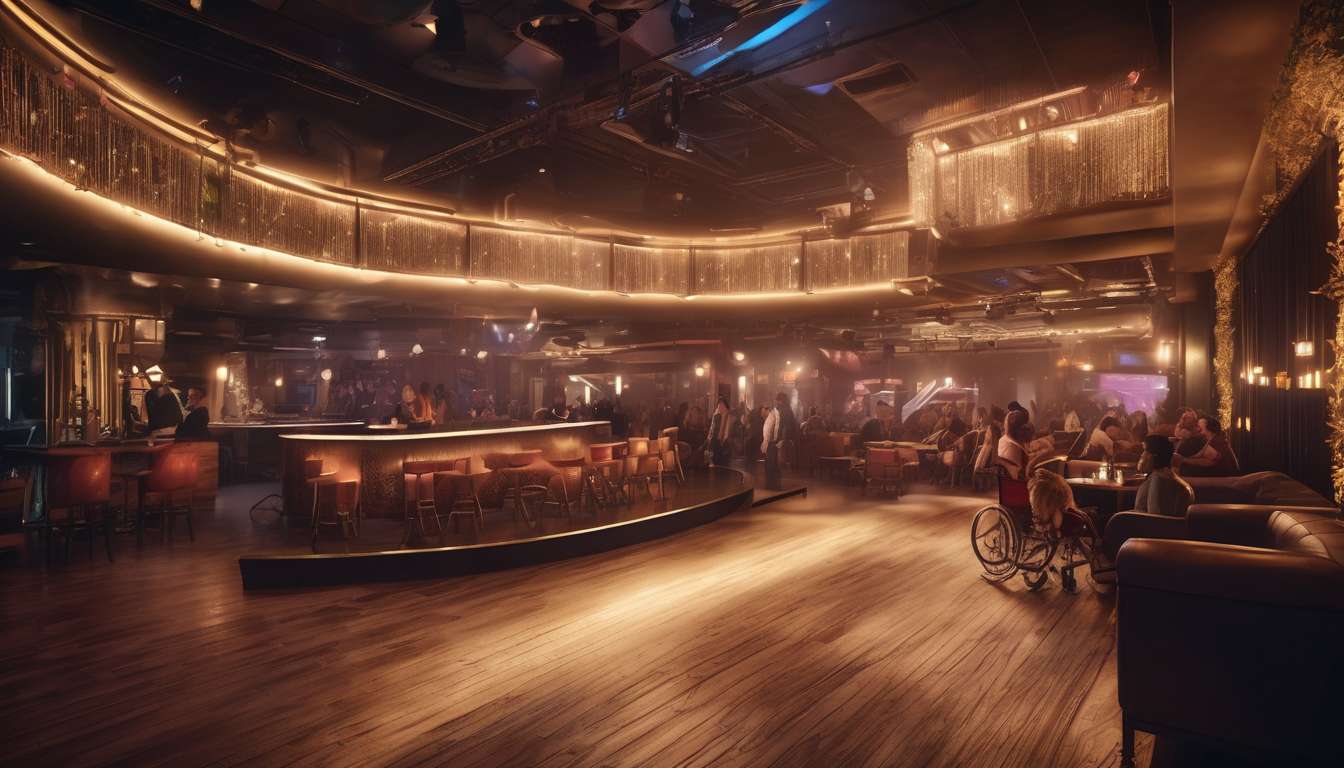
Growing standards often lag behind expectations, and nowhere is that gap more visible than in exotic dancing venues where our collective experience of quality is inconsistent.
We see patrons leaving puzzled by uneven service, performers navigating unclear protocols, and managers juggling atmosphere with safety—signals that benchmarks are missing or misaligned.
We propose treating service benchmarks not as bureaucratic impositions but as essential tools that define what quality means for everyone involved.
By establishing transparent criteria for:
- customer interaction
- stage management
- hygiene
- security
- performer support
we can shift perceptions and outcomes.
Our investigation explores measurable indicators, draws on industry practices, and highlights how consistent standards elevate:
- reputation
- worker well-being
- patron satisfaction
We argue that when benchmarks are collaboratively developed and regularly evaluated, exotic dancing venues transform from unpredictable spaces into professionally managed environments where respect, safety, and artistry coexist, benefiting performers, staff, and guests alike.
Setting Clear Service Standards
We’ll define specific, measurable service standards so staff know exactly what behaviors and outcomes we expect.
We’ll outline clear rules for interactions, timing, and presentation that make every team member feel included and accountable.
Together we’ll prioritize performer safety by specifying:
- Escort procedures.
- Safe distances.
- Immediate response steps for incidents.
Our standards will include nonnegotiable policies on consent, communication, and respectful treatment so everyone understands boundaries and expectations.
We’ll set crowd control protocols that balance enjoyment with security, including:
- Capacity limits.
- Floor layouts.
- Trained staff positions for de-escalation.
We’ll define roles and responsibilities so there’s no ambiguity:
- Who monitors entrances.
- Who handles disruptions.
- How to document events.
We’ll create measurable metrics to track adherence without shaming individuals, such as:
- Response times.
- Incident rates.
- Compliance checks.
We’ll train consistently, give feedback, and revise standards based on staff input.
These guidelines exist to protect people, foster belonging, and sustain a professional, welcoming atmosphere.
Measuring Customer Experience
We’ll measure customer experience with specific, repeatable tools—surveys, observation checklists, and behavior metrics—so we can track satisfaction, identify pain points, and act on real data.
Surveys (short, anonymous):
- Ask about atmosphere, staff responsiveness, and how well service standards were met.
- Ensure patrons feel heard and valued.
Observation checklists:
- Monitor entrances, seating, and service flow.
- Spot bottlenecks and moments that affect belonging.
Behavior metrics:
- Analyze dwell time, repeat visits, and interaction frequency to understand what draws people in and keeps them returning.
- Include discrete indicators related to performer safety and crowd control only as they influence guest comfort and willingness to return, not as operational protocol duplicates.
Review and iterate with staff:
- Review findings collaboratively with staff.
- Set measurable targets.
- Iterate so benchmarks reflect collective responsibility and create an inclusive, dependable experience for everyone.
Performer Safety Protocols
We’ll define clear, enforceable protocols that protect performers’ physical and emotional well‑being while supporting a welcoming environment for patrons.
We will establish service standards that prioritize performer safety through written policies, mandatory training, and consistent enforcement.
- Written policies that set expectations for conduct, physical interaction, and incident response.
- Mandatory training for staff and performers (including de‑escalation and boundary‑respect techniques).
- Consistent enforcement so standards are predictable and trusted.
We require de‑escalation and boundary‑respect training for staff and performers, plus accessible reporting channels so everyone feels heard and supported.
- De‑escalation training to manage tensions calmly and safely.
- Boundary‑respect training so staff and performers understand consent and limits.
- Accessible reporting channels (anonymous options, multiple methods, and clear timelines).
We implement staffing ratios and visible security practices to enable calm crowd control without intimidating guests.
- Appropriate staffing ratios to ensure performers have support at all times.
- Visible but non‑aggressive security for presence and deterrence.
We set rules for physical interaction, zero‑tolerance for harassment, and predictable incident response steps so performers know what to expect.
- Define acceptable and unacceptable physical interactions.
- Enforce a zero‑tolerance harassment policy.
- Use a predictable incident response protocol (notification, immediate safety steps, documentation, follow‑up).
We audit compliance regularly and solicit performer feedback to refine policies, ensuring our standards reflect lived experience.
- Regular audits (scheduled reviews and spot checks).
- Performer feedback loops (surveys, debriefs, advisory panels).
- Policy updates informed by audit results and lived experience.
We maintain clear signage about conduct and reporting, and we provide aftercare resources including on‑site support and referrals.
- Clear signage describing expected behavior and reporting options.
- Aftercare resources (on‑site emotional support, medical referrals, and external counseling contacts).
By centering belonging and mutual respect in these protocols, we create an environment where performers and patrons can engage confidently, and where service standards and safety work together to sustain a welcoming venue.
Stage and Show Management
Stage scheduling, show pacing, cueing, and technical coordination — We’ll define clear procedures so performances run smoothly, safely, and consistently.
Service standards — We set standards that outline shift handoffs, sound and lighting checks, and timing windows for each act, creating predictability that helps everyone feel included.
Performer safety — We prioritize safety by enforcing:
- secure load-in protocols
- safe, non-slip stage surfaces
- accessible backstage routes
These measures reduce risk and show respect for talent.
Cueing and transition control — We coordinate cueing with concise signals and fail-safes so transitions stay tight without chaos.
Crowd control and patron safety — We train staff on crowd control principles that protect performers and patrons while preserving a welcoming atmosphere, using:
- clear boundaries
- de-escalation techniques
Communication and shared ownership — We hold regular briefings where performers and technicians contribute input, reinforcing shared ownership of the experience.
Incident documentation and continuous improvement — We document incidents and adjust schedules or staffing as needed, using those records to refine our service standards.
In this way, stage and show management becomes a collaborative practice that balances artistry, safety, and community.
Cleanliness and Sanitation Metrics
We will measure cleanliness and sanitation with specific, trackable metrics.
- Examples include surface wipe frequency, restroom inspection scores, and air-quality readings.
- These metrics ensure a consistently hygienic environment and provide objective measures for improvement.
We set clear service standards that tie cleanliness to guest comfort and performer safety.
- Staff and performers receive concise expectations so everyone knows what’s expected and why it matters.
- Standards connect hygiene practices to dignity, comfort, and consistent quality.
We log operational details and publish summaries for transparency.
- Logged items: cleaning intervals, chemical concentrations, and filter changes.
- Summaries are shared with staff and regulars so they feel included in maintaining standards.
We train teams on both quick spot checks and thorough nightly procedures.
- Perform quick spot checks between sets.
- Execute simple, repeatable nightly cleaning protocols.
- Training emphasizes speed, clarity, and consistency.
We record incident-linked sanitation responses to reduce risks after spills or close-contact moments.
- These records reinforce performer safety while avoiding a policing atmosphere.
- Incident logs inform targeted retraining and process improvements.
We use reporting dashboards to monitor compliance and trends.
- Dashboards display compliance rates and send trend alerts for timely adjustments.
- Data-driven alerts help prioritize resources and corrective actions.
We share results and invite feedback to build trust and shared ownership.
- Open reporting and solicitation of input make cleanliness part of the culture, not just a checklist.
- This approach supports dignity, comfort, and consistent quality for staff and patrons alike.
Security and Crowd Control
Clear, proportionate security protocols and trained staff procedures will keep patrons safe, manage capacity, and de-escalate incidents without creating an intimidating atmosphere.
Service standards balance vigilance with warmth so everyone feels welcome while rules are enforced consistently.
Data-driven crowd control measures use capacity limits, visible but respectful monitoring, and entry/egress flows that reduce bottlenecks and prevent unsafe surges.
Performer safety priorities include:
- Protected performance zones.
- Swift response for boundary violations.
- Clear reporting channels that staff and performers trust.
Staff roles as community stewards emphasize early intervention, calm communication, and incident documentation for continuous improvement.
Coordination and surveillance involve:
- Working with local emergency services.
- Maintaining unobtrusive surveillance where appropriate, ensuring privacy and dignity.
Continuous review and adjustment come from regular reviews of incident logs and patron feedback so protocols can be refined without escalating force.
Cultural approach: by making safety protocols communal expectations rather than punitive impositions, we foster an inclusive environment where patrons and performers alike feel secure and respected.
Training and Professional Development
We will invest in ongoing, role-specific training and clear professional development pathways so staff and performers build skills, confidence, and career mobility.
We will create structured curricula aligned with our service standards so everyone knows expectations and growth steps.
Training content will include:
- Technical performance skills
- Communication and de-escalation
- Performer safety protocols
- Coordinated crowd control techniques
- Practical drills blended with scenario-based learning
We will schedule and validate learning through:
-
- Regular refresher sessions
-
- Mentorship pairings
-
- Certified workshops that validate progress and open advancement paths
We will use inclusive feedback and transparent tracking to tailor development and recognize achievement.
- Feedback loops will be inclusive and confidential, letting people voice needs and tailor development plans.
- Competencies will be tracked transparently and milestones celebrated.
- Cross-training opportunities will allow team members to shift roles when they want.
By prioritizing clear progression, mutual respect, and practical skill-building, we will strengthen trust and belonging across the venue.
The expected outcomes: stronger safety, more consistent guest experiences, and empowered performers who see real career possibilities within our standards-driven environment.
Continuous Benchmark Review
We will regularly reassess benchmarks using data, staff input, and incident reviews to keep standards current and effective.
We gather patron feedback, shift reports, and incident logs to spot trends that affect service standards and performer safety.
We invite performers and floor staff into structured reviews so everyone’s experience shapes practical improvements.
That participation builds trust and shared ownership.
We set short review cycles for crowd-control protocols after busy nights and major events.
When patterns indicate risk, we update:
- Staffing models
- Entry procedures
- Crowd-flow controls
We measure outcomes and revise benchmarks only when evidence supports change.
- Reduced complaints
- Faster response times
- Fewer safety incidents
We document updates transparently and train teams on new expectations so new norms feel achievable and fair.
We celebrate small wins and address gaps together, keeping communication open between management, performers, and security.
By keeping review processes inclusive, data-driven, and focused on tangible results, we maintain high-quality service standards while prioritizing performer safety and respectful crowd control.
How do benchmarking practices affect the legal compliance and licensing requirements specific to exotic dancing venues?
Benchmarks help align policies with local regulations and document training.
We use benchmarks to track permit renewals, safety protocols, and zoning adherence.
Benchmarks are shared with staff to foster inclusion and responsibility.
By measuring performance we reduce violations and strengthen community trust.
What are the typical costs and budget implications for implementing and maintaining the service benchmarks described?
Overview of costs and budget implications
Typical cost categories
- Staffing and payroll — ongoing salaries, benefits, overtime, and temporary staffing to meet benchmarked service levels.
- Training — initial and refresher training, external trainer fees, training materials, and time paid for employees to attend.
- Compliance and audits — routine internal audits, periodic external audits, certification fees, and corrective-action expenses.
Facility and operational investments
- Facility upgrades — renovations, ergonomic improvements, and space reconfiguration to meet service benchmarks.
- Safety equipment and licensing — PPE, safety systems, maintenance, and periodic licensing or permit renewals.
Technology, marketing, and contingency
- Technology — software licenses, hardware, implementation, integrations, and ongoing IT support.
- Marketing — customer communications, promotion of improved service levels, and brand trust activities.
- Contingency fund — reserve for unexpected costs, emergency repairs, or temporary increases in demand.
Budgeting and governance processes
- Quarterly metric reviews — review performance metrics every quarter to reallocate or adjust spending based on outcomes and changing needs.
- Shared responsibility model — distribute budget ownership across departments to keep standards affordable and maintain accountability.
- Prioritization and trade-offs — rank investments (safety and compliance first, then staffing/training, then technology/marketing) to guide constrained budgets.
Practical budgeting tips
- Build multi-year projections that include recurring and one-time costs.
- Model scenarios (best, expected, worst) to size the contingency properly.
- Track actuals against benchmarks monthly to spot variance early.
- Negotiate multi-year contracts for training, software, and audits to reduce per-period costs.
Key takeaway
Allocate recurring funds for payroll, training, and audits; plan capital for facilities and equipment; fund technology and marketing; and keep a contingency reserve. Quarterly reviews and shared budget ownership help keep implementation sustainable and affordable.
How do benchmarks address inclusivity and accommodations for patrons and performers with disabilities?
We’re asking how benchmarks address inclusivity and accommodations for patrons and performers with disabilities.
Set clear standards for accessible entrances, seating, restrooms, and stage areas.
- Accessible entrances with step-free access, ramps, automatic doors, and clear signage.
- Designated accessible seating locations with companion seating, removable seats for wheelchair spaces, and clear sightlines.
- Accessible restrooms with grab bars, adequate turning radius, lowered fixtures, and clear signage.
- Stage access (for performers) including ramps or lifts, backstage pathways with adequate width, and accessible green rooms.
Require staff training in disability etiquette and communication.
- Regular training on disability awareness, respectful language, assistance techniques, and interacting with service animals.
- Communication training covering alternatives to spoken directions (e.g., written, tactile, visual aids) and how to work with interpreters or captioning services.
- Role-specific protocols for ushers, security, box office, and stage crew.
Mandate adjustable lighting and sound options.
- Adjustable house and stage lighting to minimize glare and support low-vision patrons or performers.
- Quiet or low-sensory performances and clearly advertised sensory-friendly events.
- Assistive listening systems, induction loops, and options for captioning or live transcription.
- Volume controls and seating areas with reduced noise levels.
Ensure policy enforcement, regular audits, and channels for feedback and accommodation requests.
- Establish written accessibility policies and post them publicly.
- Conduct scheduled accessibility audits and remediate gaps promptly.
- Create a clear process for patrons and performers to request accommodations, with timely responses and confidential handling.
- Monitor compliance and include accessibility metrics in performance reviews or contract requirements.
Outcome: Everyone feels respected, safe, and welcome while participating or enjoying performances.
- Continuous improvement through feedback, audits, and staff accountability.
- Transparent reporting on accessibility improvements and unresolved barriers.
Conclusion
You now have a clear framework to raise standards in exotic dancing venues.
Define service expectations. Be explicit about the level of service patrons should receive, how staff and performers interact with guests, and the behaviors that are unacceptable. Clear expectations create consistent guest experiences and reduce ambiguity for staff.
Measure customer experience. Use regular feedback channels (surveys, comment cards, mystery shoppers) and track metrics like repeat visits, average spend, and complaint rates to assess how well expectations are met.
Enforce performer safety. Prioritize physical and emotional safety with written policies on harassment, consent, boundaries, incident reporting, and access to medical or counseling support. Ensure performers know and trust the reporting process.
Manage stage shows. Standardize show length, rotation, stage etiquette, and choreography expectations. Provide clear rules about touching, tipping, and customer interaction so performers and patrons know limits.
Maintain cleanliness. Set schedules and responsibilities for cleaning public areas, private rooms, stages, and bathrooms. Use checklists and spot audits to ensure hygiene standards are consistently met.
Prioritize security. Train security staff on de-escalation, boundary enforcement, and incident documentation. Implement controlled entry, ID checks, and surveillance where legal and appropriate.
Invest in staff training and regular benchmark reviews. Provide ongoing training for managers, performers, servers, and security on policies, customer service, safety, and legal compliance. Review performance against benchmarks and adjust policies as needed.
When applied, these practices create tangible benefits.
- Patrons feel respected and more likely to return.
- Performers stay safer and more empowered.
- Your venue earns a reputation for quality and integrity that sustains business.
Apply these points consistently to create a professional, safe, and thriving environment.