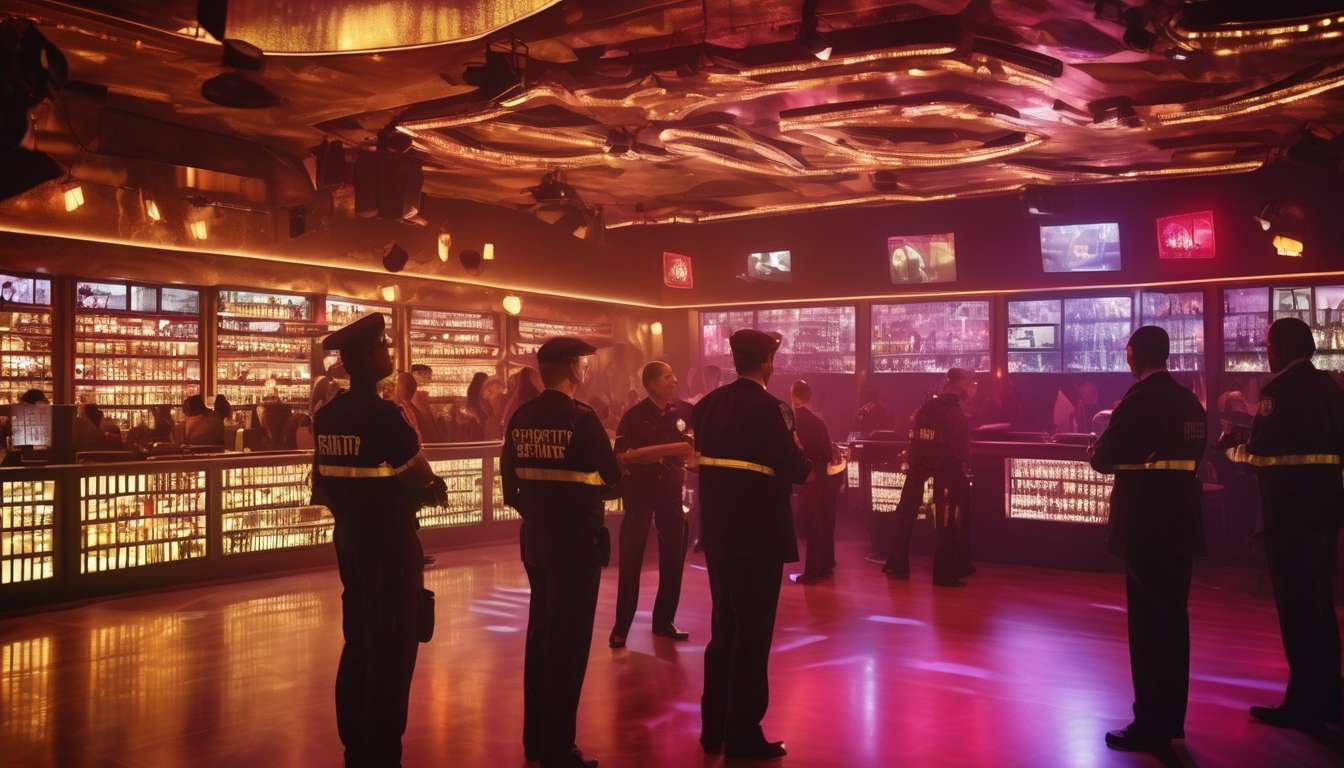
People who dismiss exotic dancing venues as inherently unsafe are overlooking how robust safety governance transforms these spaces into secure, respectful workplaces.
We assert that strict policies, transparent reporting mechanisms, and collaborative management empower performers, staff, and patrons alike.
When operators adopt formal training, clear boundary-setting protocols, and consistent enforcement, trust grows and incidents decline.
Industry-led certifications and third-party audits create measurable improvements in incident response and working conditions.
Safety governance is not about policing culture but about enabling dignity, autonomy, and professional standards.
By centering performers in policy design and investing in preventative measures, venues cultivate environments where artistry and safety coexist.
This article examines how governance frameworks rebuild community confidence, outlines practical steps for implementation, and highlights case studies that illustrate meaningful change across diverse venues.
Governance Principles
Clear, enforceable governance principles
We prioritize clear, enforceable governance principles that protect performers, staff, and patrons while ensuring regulatory compliance. These principles are the foundation for predictable, trustworthy operations.
Practical, visible, consistently applied safety protocols
We build a culture where safety protocols are practical, visible, and consistently applied, so everyone feels secure and respected.
Affirming performer rights
We affirm performer rights by embedding:
- Consent practices into everyday interactions and performance agreements.
- Fair scheduling that accounts for rest, reasonable hours, and advance notice.
- Transparent dispute resolution processes for resolving conflicts quickly and respectfully.
Alignment with law and ongoing training
We make sure policies align with local laws and industry standards, and we expect ongoing training so regulatory compliance isn’t an afterthought but a shared responsibility.
Inclusive rule-making
We involve performers and staff in rule-making, because belonging grows when people help shape the systems that affect them. Participation improves buy-in and makes rules more practical.
Confidential, responsive incident reporting
We maintain incident reporting mechanisms that are confidential and responsive, and we track outcomes to improve practices rather than assign blame.
Clear role boundaries
We set clear role boundaries for management, security, and performers so expectations are predictable and trustworthy.
Regular review and continuous improvement
We commit to regular reviews of governance practices, incorporating feedback to strengthen protections and uphold dignity, safety protocols, and performer rights across the venue.
Policy Development
We’ll develop clear, practical policies that balance performer autonomy, patron safety, and operational needs, and that can be consistently implemented and enforced.
We’ll center our community by co‑creating rules that reflect shared values: respect, dignity, and mutual accountability.
Policies will outline safety protocols in concrete terms.
- Access to secure exits
- Incident reporting steps
- Venue staffing expectations
We’ll explicitly protect performer rights, specifying boundaries, consent procedures, and mechanisms for confidential complaints.
That clarity reduces ambiguity and builds trust among performers, staff, and regulars.
We’ll document procedures for responding to violations that are fair, timely, and transparent, reinforcing that the community stands together.
We’ll ensure policies align with local laws and industry norms to maintain regulatory compliance without sacrificing our culture.
We’ll review and update policies regularly with input from performers and staff, keeping them relevant and strengthening our collective confidence in the safety and integrity of the venue.
Training Programs
We will implement regular, practical training programs that teach de‑escalation, emergency response, consent communication, and venue-specific procedures to performers and staff.
Trainings will be inclusive and hands-on so everyone — from new hires to long-term team members — gains confidence.
Core training content will include:
- De‑escalation techniques and respectful interaction strategies.
- Consent communication and methods for asserting and respecting boundaries.
- Emergency response (basic first aid, venue evacuation routes, and role-based responsibilities).
Sessions will be scenario-based and practice situations that mirror real shifts to make skills transferable to the workplace.
We will cover performer rights and boundaries, ensuring workers know what protections exist and how to assert them calmly and confidently.
Training design will minimize bureaucracy while meeting compliance by focusing on clear safety protocols and role-specific responsibilities.
Refresher courses and continuous improvement:
- We will schedule regular refresher trainings.
- We will invite feedback from participants.
- We will adapt materials to reflect diverse experiences within our community.
Expected outcomes:
- Strengthened mutual trust.
- Reduced incidents.
- A workplace where people feel seen, supported, and respected.
Documentation and accountability:
- Trainings will be consistently documented to demonstrate that we take safety seriously while honoring the dignity and agency of everyone who works here.
Reporting Mechanisms
We will establish clear, accessible reporting mechanisms that let performers and staff quickly and confidentially report incidents, concerns, or boundary violations.
Multiple reporting channels will be available so everyone can choose what feels safest:
- Anonymous digital forms.
- A designated on-site liaison.
- Scheduled check-ins.
Each channel will align with safety protocols and preserve privacy while documenting the facts needed for follow-up.
Staff will be trained to receive reports with empathy and without judgment, ensuring disclosures are not dismissed or minimized.
Performer rights will be integrated into every step, with clear information about:
- Confidentiality limits.
- Expected timelines.
- Available options and next steps.
Recordkeeping will follow strict data protection standards to maintain trust and support regulatory compliance.
We commit to timely, transparent communication with reporters, providing updates and resources while protecting privacy.
By making reporting easy, fair, and respectful, we reinforce a culture where everyone belongs, voices are heard, and safety protocols are living practices rather than paperwork.
Enforcement Practices
We will enforce rules consistently, fairly, and transparently to ensure accountability and protect everyone on site.
We will apply safety protocols across shifts, document incidents promptly, and share outcomes with staff and performers so trust grows.
We will train supervisors to balance firm action with respect for performer rights, ensuring responses aren’t punitive without cause.
We will use clear escalation steps for breaches and offer restorative options where appropriate, keeping community cohesion a priority.
We will coordinate with local authorities only when necessary, maintaining confidentiality and dignity for those involved.
We will monitor compliance via routine audits and anonymous feedback, and adjust practices when gaps appear.
We will record corrective actions, timelines, and follow-ups to demonstrate regulatory compliance and build shared confidence.
We will involve performers in reviewing enforcement outcomes and invite their input to refine processes.
We will publish summarized enforcement metrics regularly so everyone sees that rules protect the community, not exclude it.
We will stay accountable, responsive, and united in keeping our venue safe and welcoming.
Certification Standards
We’ll establish clear certification standards that define required training, skills, and ethical practices for staff and performers to ensure consistent competence and accountability.
We’ll outline core curricula that cover safety protocols, de-escalation, and venue-specific emergency response, creating a shared baseline everyone recognizes.
We’ll embed modules on performer rights, consent, and respectful communication so team members feel supported and empowered, strengthening our collective trust.
We’ll require regular recertification and documented assessments to maintain high standards and demonstrate regulatory compliance, making it easier for venues to show inspectors and communities they’re committed to safety.
We’ll provide accessible pathways for new and experienced members alike, including:
- mentorship
- refresher options
- alternative formats to reduce barriers to participation
We’ll keep certification records transparent to stakeholders while protecting personal privacy, and we’ll solicit community feedback to refine standards over time.
By uniting around clear, fair certification standards, we’ll:
- foster belonging
- elevate professionalism
- build predictable, safer environments for everyone involved.
Performer Participation
We’ll create clear channels for performers to participate in decision-making, policy development, and incident review so their experiences directly shape venue practices.
We invite performers into regular forums and anonymous feedback systems to refine safety protocols, ensuring policies reflect lived realities rather than top-down assumptions.
We recognize performer rights as fundamental: involvement in setting standards, consenting to protocols, and accessing remedies when breaches occur.
We build joint committees with management, staff, and performers to review incidents, update training, and monitor regulatory compliance, so everyone shares responsibility and trust grows.
We provide transparent documentation and timely responses to concerns, and we compensate performers for time spent on governance work.
We cultivate a culture of mutual respect and belonging where voices matter and expertise from the floor informs formal rules.
By centering performer participation, we tighten practical safety, reinforce performer rights, and create adaptive systems that meet legal obligations while honoring the community that keeps venues vibrant.
Case Studies
We’ll examine a series of real-world case studies that show how performer-led governance changed outcomes after specific incidents, what worked, and what lessons still need action.
Case 1 — Club revises safety protocols after an assault
- Performers organized to document incidents and propose changes.
- They developed clear de-escalation steps and insisted on consistent enforcement.
- Result: reduced repeat occurrences and strengthened trust among staff.
Case 2 — Collective negotiates contract clauses
- A performer collective negotiated clauses that affirmed performer rights and created transparent reporting channels.
- Result: improved morale and increased attendance.
Case 3 — Gaps in regulatory compliance addressed
- Local rules were vague, creating enforcement gaps.
- Performers partnered with advocacy groups to clarify requirements and secure regular inspections.
- Result: raised standards across the district.
Common elements across cases
- Measurable protocols.
- Shared decision-making.
- Alignment with local regulations.
Ongoing needs to sustain gains
- Funding.
- Legal support.
- Broader community recognition.
Conclusion — progress and next steps
We’re encouraged by these outcomes, but continued attention to funding, legal resources, and public recognition is needed to sustain improvements and ensure every performer feels respected and protected.
How are personal data and privacy of performers and patrons protected when incidents are reported or when certification processes are carried out?
We protect personal data and privacy during incident reports and certification by anonymizing identifiers, limiting access, and using encryption.
Anonymization and minimization
- We anonymize or pseudonymize personal identifiers wherever possible.
- We collect only the minimum personal data necessary for the investigation or certification.
Access control
- Access to incident and certification data is restricted to need-to-know staff.
- We enforce role-based permissions and revoke access promptly when roles change.
Secure storage and transmission
- Data is stored and transmitted using strong encryption.
- Systems handling sensitive information follow industry-standard security practices.
Consent, redaction, and public summaries
- We obtain consent where required by law or policy.
- Public summaries and reports are redacted to remove sensitive personal details.
Retention and deletion
- Clear retention and deletion schedules govern how long personal data is kept.
- Data is securely deleted or archived according to those schedules.
Training, auditing, and oversight
- All relevant staff receive regular confidentiality and privacy training.
- We audit access logs regularly to detect misuse or unauthorized access.
Complaints and correction
- We provide transparent complaint and correction procedures so affected individuals can raise concerns, request corrections, or seek redress.
If you’d like, I can draft specific policy wording, a checklist for investigators, or a short privacy notice tailored to your organization.
What insurance options and liability protections are available to venue owners, performers, and staff to cover injuries, legal disputes, or property damage?
Overview of insurance and liability protections
General protections available
- General liability insurance — covers third-party bodily injury and property damage claims arising from normal business operations.
- Workers’ compensation — covers employees’ medical expenses and lost wages for work-related injuries.
- Commercial property insurance — covers damage to owned or leased property, equipment, and inventory.
Protections specifically for performers
- Performer liability / accident insurance — individual policies performers can obtain to cover on-stage injuries or accidents.
- Entertainers’ endorsements — add-ons to general liability that extend coverage for performance-related risks.
Owner-specific coverages
- Liquor liability — protects the venue against claims arising from service of alcohol.
- Abuse / misconduct coverage — addresses claims related to sexual misconduct, harassment, or similar abuse allegations.
Contractual risk-transfer strategies
- Waivers and releases — have participants sign clear waivers to limit claims for ordinary risks (note: enforceability varies by jurisdiction).
- Independent contractor agreements — define performer status and responsibilities; shift certain liabilities to contractors when appropriate.
- Indemnification clauses — require one party to reimburse another for covered losses or legal costs.
Key implementation notes
- Combine insurance and contracts — insurance policies and well-drafted contracts work best together to allocate and mitigate risk.
- Check policy exclusions and limits — ensure coverages match the venue’s activities (performances, alcohol service, physical stunts) and review limits and exclusions carefully.
- Seek specialist advice — consult an insurance broker and a lawyer to tailor policies and contract language to your jurisdiction and operations.
How do safety governance practices adapt to cultural and legal differences across regions or countries where exotic dancing venues operate?
We adapt safety governance across regions by listening, learning, and collaborating with local communities and legal experts.
We tailor policies to respect cultural norms, comply with local laws, and include performers and staff in decision-making.
We combine universal best practices with flexible procedures.
We provide culturally relevant training and update protocols as regulations change.
We are committed to creating inclusive, legally sound safety systems that foster trust and belonging.
Conclusion
You’ve seen how clear governance principles, well-crafted policies, and ongoing training create safer exotic dancing venues.
By using accessible reporting mechanisms, consistent enforcement, and recognized certification standards, you’ll build trust among performers and patrons.
Encouraging performer participation ensures policies reflect real needs.
Case studies show practical benefits.
If you adopt these measures, you’ll strengthen safety, accountability, and reputation — making venues more professional, resilient, and welcoming for everyone involved.