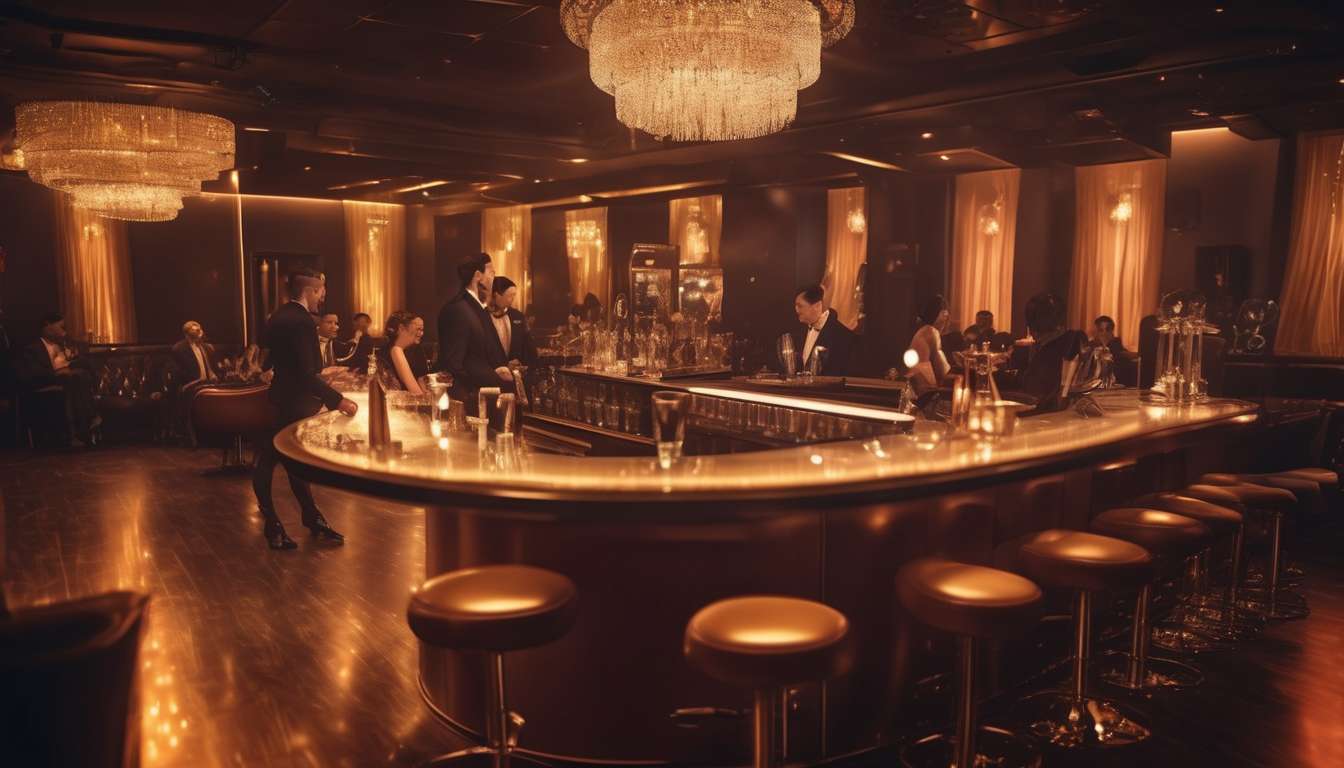
High-energy venues employing exotic dancers contribute an estimated $9.6 billion annually to urban night economies.
This figure forces us to rethink how nightlife shapes city life.
We approach this article committed to unpacking the market trends behind that number, focusing on three main areas:
- Shifting consumer demographics.
- Digital platforms reshaping booking and promotion.
- Regulatory changes altering the landscape for performers and proprietors.
We trace how neighborhoods transform when late-night commerce becomes a visible, contentious part of urban redevelopment.
We examine how dancers navigate entrepreneurial opportunities amid stigma and legal constraints.
We also analyze data to reveal patterns often overlooked by conventional urban studies, including:
- Patron spending patterns.
- Employment models.
- Spatial clustering.
By combining quantitative market analysis with qualitative accounts from performers, club owners, and policymakers, we aim to present a balanced, evidence-based view.
Our goal is to illuminate both economic significance and social complexity and to offer insights useful to planners, researchers, and community stakeholders.
Market Size Overview
We estimate the global exotic dancing market’s size by combining revenue data from clubs, independent performers, and auxiliary services to produce a clear, comparable figure.
Data sources used:
- Audited club revenues.
- Tip and booking reports from independent entertainers.
- Earnings from related businesses (production, staffing, apparel).
- Digital platform revenues (streaming, tips, subscriptions).
We adjust for regional price levels and legal frameworks so numbers fit together fairly.
Digital platforms are tracked separately because streaming, tips, and subscription income shift traditional patterns and add measurable streams.
We monitor patron spending trends across venues and online to capture where money flows and how often.
We standardize categories and use conservative estimates where data’s sparse to create a transparent model stakeholders can trust.
Results are presented as ranges, with assumptions explained, and community input invited so practitioners feel included in the analysis.
That collaborative approach helps refine estimates over time and ensures the market portrait reflects both on-premise and digital realities.
Consumer Demographics Shift
We’re seeing a clear shift in who attends venues and engages online, with younger, more diverse, and more tech-savvy consumers changing demand patterns.
This shift reshapes nightlife norms and invites more inclusive spaces where people belong.
In the exotic dancing market, attendees now expect:
- Varied music
- Inclusive language
- Respectful interactions
These expectations reflect broader demographic changes and influence how venues should operate.
We note increases in:
- Mixed-gender groups
- More women attending solo or with friends
- Greater racial and sexual diversity among patrons
These changes influence patron spending priorities: many favor experiences, themed nights, and safer environments over purely transactional encounters.
Patrons also look for community-driven events and transparent policies that foster trust.
While digital platforms shape discovery, the core change is social — venues must feel welcoming and representative.
Operators who recognize this demographic shift and adapt offerings, pricing, and staff training will build stronger ties with evolving audiences and capture sustained, more loyal patron spending.
Digital Platform Impact
We’re seeing how online discovery, booking tools, and social apps are reshaping where and when people go out, how they research venues, and what experiences they expect.
Digital platforms have made the exotic dancing market more visible and easier to navigate.
- Shared reviews and curated event listings help people find places that feel welcoming.
- Ratings, photos, and curated content reduce uncertainty and increase willingness to try new venues.
Nights out are being tailored around livestreams, reservation windows, and themed nights promoted on apps.
- This concentrates patron spending into predictable peak times and packaged offerings.
- Venues can optimize staffing and promotions around those peaks.
People connect with communities through group chats and local feeds, so choices reflect belonging as much as novelty.
- Social validation and peer recommendations play a large role in where people go.
- Community-driven picks emphasize inclusivity and shared experiences.
We’re tracking data signals—ratings, photos, peak-hour indicators—to make decisions that feel safer and more social.
- Real-time indicators (crowd levels, wait times) inform when to go.
- Visual content helps set expectations about atmosphere and dress codes.
Platform-driven promotions and loyalty features influence spending on tipping, bottle service, and cover fees.
- Promotions shift budgets toward packages and premium offerings.
- Loyalty programs steer repeat business and affect price sensitivity.
We’re asking venues and platforms to prioritize transparent information and inclusive experiences so everyone can join the scene with confidence.
- Clear pricing, accessible policies, and honest descriptions build trust.
- Inclusive programming and safety information broaden the audience and improve long-term sustainability.
Regulatory Landscape
Regulators and local authorities are increasingly shaping how venues operate.
We need to track licensing rules, zoning laws, and safety mandates that directly affect scheduling, staffing, and revenue models.
We monitor how policy shifts redefine permitted hours, proximity restrictions, and mandatory security measures that influence club operations in the exotic dancing market.
Consistent enforcement—or sudden change—alters the viability of neighborhoods and the relationships between venues and their communities.
We’ll examine how regulations interact with digital platforms that promote events, ticketing, and patron engagement, since online tools can both comply with and challenge local rules.
We stay connected to peers to share interpretations of ordinances and best practices for:
- recordkeeping
- training
- liability reduction
We also look at how regulatory frameworks can change patron spending patterns by affecting:
- accessibility
- perceived safety
- pricing structures
By collaborating and staying informed, we protect our shared interests and help ensure nightlife spaces remain sustainable, welcoming, and compliant.
Performer Economic Strategies
Practical earning tactics performers use — overview
Shift scheduling to maximize peak pay.
- Organize shifts to cover peak patron spending hours.
- Trade less-busy nights so all performers can access the busiest sets.
Floor-level techniques that increase tips (while respecting boundaries).
- Coach one another on floor movement, song selection, and conversational cues that encourage tipping without pushing boundaries.
- Create supportive standards so newcomers adopt proven, respectful practices.
Collective negotiation and house rules.
- Pool market knowledge to set fair house rules and negotiate better fee splits with management.
- Share strategies for reducing unpaid wait time.
Private bookings and pricing templates.
- Cultivate private-booking routines and standardized pricing templates so clients know what to expect and performers get steady revenue.
- Use agreed scripts and logistics checklists to keep bookings professional and consistent.
Diversifying income with online content and virtual sessions.
- Develop responsibly branded profiles on digital platforms to sell content and schedule virtual sessions, broadening income beyond the club.
- Share technical tips for lighting, audio, and customer service online to improve product quality.
Community priorities and safety.
- Maintain a community that values safety, autonomy, and reliable earnings.
- Welcome newcomers with practical guidance so they can adapt to changing patron spending patterns.
Spatial Clustering Effects
We’ll examine how performers and venues cluster geographically and within clubs, and how those spatial patterns shape competition, tip flows, and access to peak crowds.
Clustering creates micro-communities.
- Dancers and managers share information, swap schedules, and develop informal norms.
- These micro-communities make the exotic dancing market more legible and supportive.
When performers gather in particular neighborhoods or on particular stages, they amplify foot traffic and create recognizable destinations.
- Recognizable destinations attract loyal patrons.
- Concentrated activity increases visibility for performers and venues.
Digital platforms interact with physical clustering and reinforce real-world concentrations.
- Online promotion, booking apps, and social feeds signal where peak nights happen.
- That signaling creates a feedback loop: performers coordinate, crowd uncertainty falls, and patron flows become more predictable.
Together, spatial clustering and platform signals produce predictable pathways for patron spending without dictating individual decisions.
Understanding these patterns helps in three practical ways:
- Foster inclusive practices across the market.
- Distribute opportunities more evenly across venues.
- Build networks where performers and patrons feel welcome and connected.
Patron Spending Patterns
Timing shapes spending patterns.
Early arrivals tend to stick to drinks, while later crowds tip more during peak performances. Tracking arrival times and performance schedules reveals when patrons are most likely to increase spending.
Social context amplifies generosity.
- Groups amplify generosity — people spend more in company.
- Visible engagement from peers creates norms that encourage higher tips and purchases.
Venue cues signal expected contributions.
- Lighting, music tempo, and performer proximity communicate the level of interaction and expected spending.
- Patrons read these cues to calibrate tips and decisions about private dances.
Digital platforms change purchase mechanics and nudges.
- Pre-selling experiences and displaying performer ratings influence expectations and choices.
- Cashless payments streamline impulse purchases.
- Promotions and loyalty messages nudge repeat visits and larger tabs.
Belonging increases transaction value and retention.
When patrons feel welcomed and part of a community, they tend to give more freely and return more often.
Recommended tracking variables for analysis.
- Timing (arrival time, peak performance windows).
- Group size and visible social engagement.
- Venue atmosphere (lighting, music tempo, proximity cues).
- Platform interactions (pre-sales, ratings, payment method, promos/loyalty).
- Measures of belonging/welcome (staff warmth, community signals).
Ethical reminder.
Respectful, community-centered practice should guide data collection and interventions so that insights are used to enhance patron experience rather than exploit vulnerabilities.
Policy and Planning Implications
Balance public safety, worker rights, and economic vitality while minimizing commercialization harms.
Prioritize inclusive zoning and licensing that recognizes exotic dancing as part of urban culture, not something to be hidden.
Craft performer protections:
- Clear labor standards (wage, scheduling, contract transparency).
- Safety protocols (security staffing, lighting, incident response).
- Accessible reporting channels for harassment, abuse, or labor violations.
Allow venues to operate sustainably while meeting regulatory requirements (reasonable fees, phased compliance timelines).
Use data-driven planning to guide decisions:
- Integrate digital platform and patron-spending data to inform location choices.
- Adjust peak-hour transit and public-safety resources based on usage patterns.
- Target support to neighborhoods that host nightlife (infrastructure, cleaning, lighting).
Encourage collaborative governance so policies reflect lived realities and reduce stigma:
- Include workers, venue owners, planners, and community groups in rule-making.
- Support ongoing dialogue and conflict resolution mechanisms.
Pilot harm-reduction approaches and monitor outcomes rather than imposing blanket bans that push activity underground.
- Run time-limited pilots with clear metrics.
- Evaluate and iterate rules based on measured impacts.
Commit to transparency, regular review, and supportive funding:
- Public reporting on policy outcomes and enforcement.
- Funding for training, mental-health resources, and economic supports for workers.
Goal: foster belonging, economic opportunity, and safer nights for performers, staff, patrons, and neighbors across the city.
How do dancers’ mental health and access to counseling services vary across different types of venues and cities?
We asked how dancers’ mental health and access to counseling differ by venue and city.
Findings:
- Performers in regulated venues and larger cities often have better access to services, stronger peer networks, and more employer support.
- Performers in informal venues or smaller-city settings more frequently face isolation, stigma, and fewer resources.
Priorities and recommendations:
- Prioritize community-based, trauma-informed care.
- Advocate for subsidized counseling.
- Build supportive peer networks so everyone feels seen and safe.
What are the environmental and sustainability practices (waste, energy use, transportation) associated with exotic dancing venues and nightlife districts?
Nightlife venues generate significant environmental impacts. They often produce heavy waste, consume large amounts of energy for lighting and sound, and rely on car or rideshare transport that increases emissions.
Venues are adopting practical measures to reduce impacts. Common approaches include:
- Waste reduction and recycling — implementing recycling stations, composting organic waste, and minimizing single-use plastics.
- Energy efficiency — switching to LED lighting, using energy-efficient sound and bar equipment, and optimizing HVAC systems.
- Sustainable transport options — installing bike racks, offering transit incentives, and promoting pooled rides or shuttle services.
Beyond individual measures, systemic changes are needed. We’re advocating for collaborative green policies across districts to standardize best practices and amplify impact.
Staff training and community partnerships are crucial for long-term success. Training staff on waste sorting and energy-saving procedures, and partnering with local governments, waste haulers, transit agencies, and neighborhood groups, helps make nightlife districts cleaner and more sustainable.
How do informal social networks and mentorship among performers influence career longevity and safety practices?
We see how informal networks and mentorship shape performers’ careers and safety.
We share tips, watch each other’s back, and pass on knowledge about venue norms, client screening, and de‑escalation.
We build trust that reduces isolation, improves boundaries, and extends careers by navigating opportunities and risks together.
We celebrate successes, advise on self‑care, and collectively push for safer practices, so we all feel supported and resilient.
Conclusion
Urban nightlife’s exotic dancing market is evolving.
Market size is growing while consumer demographics are shifting younger and more diverse.
Digital platforms are reshaping access and income.
- Platforms expand patron reach and change how performers monetize (tips, subscriptions, private content).
- These platforms can both increase earnings and introduce new vulnerabilities (platform fees, payment restrictions).
Regulations vary across cities and affect outcomes.
- Differences in licensing, zoning, and enforcement create uneven operating environments.
- Regulatory uncertainty can push activity underground or concentrate it in certain neighborhoods.
Performers are adapting with diversified revenue strategies.
- Combining in-venue work, online content, private events, and merchandise.
- Building direct-to-fan relationships to reduce dependence on venue owners or platforms.
Venues cluster spatially and influence local spending patterns.
- Clustering can create nightlife districts that boost nearby businesses and foot traffic.
- Concentration also raises concerns about noise, safety, and gentrification.
Planning and policy should factor these trends.
- Balance economic opportunity with public safety.
- Create equitable regulation that avoids pushing activity underground.
- Support performer rights and financial inclusion (access to banking, dispute resolution).
- Encourage mixed-use planning to integrate nightlife with community needs.
Goal: support sustainable, inclusive nighttime economies.
- Policies that combine clear, fair regulation with supports for performers and businesses will better harness the market’s growth while mitigating harms.